Dependable Roofing Company: Superior Options for Every Roof
A dependable roofing company plays an essential role in maintaining the integrity of a home. They offer customized approaches that address particular roof requirements, guaranteeing both durability and visual attractiveness. With a focus on premium supplies and skilled craftsmanship, these experts can renovate any roof. However, recognizing when to repair or replace a roof can be difficult. What considerations should homeowners think about when selecting a roofing partner to protect their property?
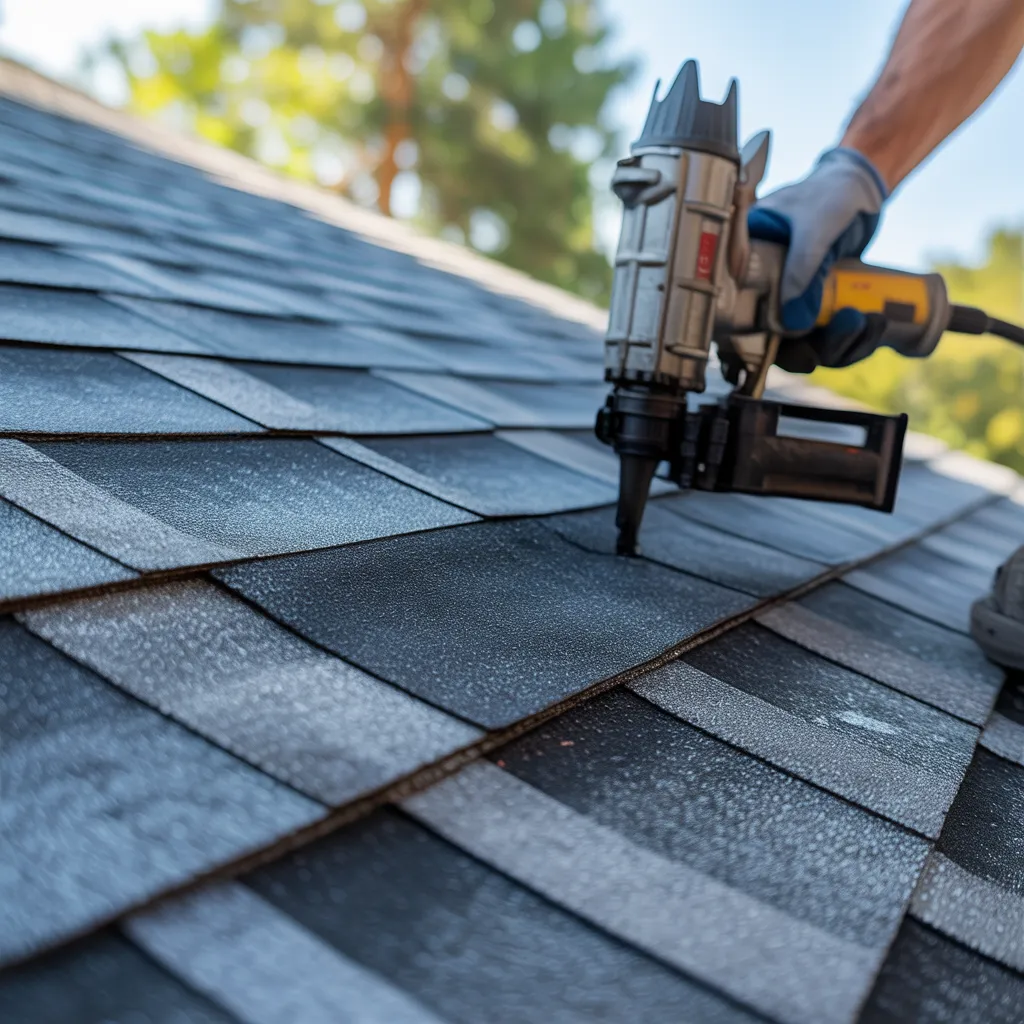
Signs You Need to Change Your Roof vs. Repair?
How can property owners determine if a roof needs replacement or merely a fix? This decision rests on several critical factors. Aged roofs, typically over 20 years, often signal the need for replacement, especially if they exhibit widespread wear. Missing, cracked, or curling shingles are red flags; if more than 25% of the roof is affected, replacement is likely justified. Leaks, particularly in multiple areas, can suggest underlying structural issues that repairs alone cannot rectify. Additionally, indications of sagging or water damage in the attic may signal serious problems that call for a full roof replacement. Homeowners should also weigh the cost-effectiveness of repairs versus replacement; frequent repairs may mount up costs that exceed a new roof's price. Ultimately, a professional assessment can provide clarity, ensuring homeowners make informed choices about their roofing needs.
Evaluating Your Roofing Needs
Examining roofing needs starts with identifying common issues that may damage a roof's structural soundness. Property owners should also consider the various material options on the market, each providing unique benefits and drawbacks. This assessment is crucial for determining the best course of action regarding repairs or replacements.
Recognizing Standard Roof Difficulties
Roofing issues can often go unnoticed until they develop into significant issues. Homeowners should be attentive in identifying common roof concerns, such as absent shingles, which can expose the underlying structure to moisture. Leaks are another critical issue, often manifested by water marks on ceilings or walls. Additionally, sagging areas may indicate structural damage or faulty installation, requiring prompt attention. Clogged gutters can lead to water accumulation, increasing the risk of mold and rot. Moreover, signs of wear, such as curling or cracked shingles, can compromise a roof's integrity. Regular inspections and maintenance can help homeowners detect these issues early, ensuring the longevity and effectiveness of their roofing systems. Awareness of these common problems is essential for effective roof management.
Examining Material Possibilities
After identifying frequent roof problems, homeowners must consider the materials on hand for their roofing demands. Selecting the right roofing material is essential for durability, visual appeal, and cost-effectiveness. Options include asphalt shingles, celebrated for their low cost; metal roofing, acclaimed for extended lifespan and energy efficiency; and tile, which delivers a signature look and supplemental insulation. Each material has unique strengths and drawbacks. Homeowners should examine local climate conditions, the architectural style of their home, and spending constraints when making a selection. Additionally, engaging with a dependable roofing company can deliver important insights into the best materials suited for specific situations. Proper review promises a well-informed decision that enhances the home's value and protects against future issues.
How to Spot a Dependable Roofing Company
When researching a reliable roofing company, what essential qualities should one prioritize? First, a proven track record of expertise is critical. Companies with extensive experience are more likely to handle various roofing issues effectively. Second, check for proper licensing and insurance; this protects homeowners from unforeseen liabilities. Third, transparent estimates and contracts are important, as they prevent unexpected expenses and guarantee clarity in service.
Customer opinions and accolades can shed light into a company's reliability and quality of work. Additionally, a commitment to using high-quality materials indicates a dedication to durability and performance. Finally, first-rate customer support is indispensable; a responsive company will address concerns in a timely manner and maintain open communication throughout the project. By prioritizing these qualities, homeowners can choose a roofing company that addresses their expectations and assures a successful roof project.
General Roofing Assistance
Property owners seeking reliable roofing services often discover a selection of options intended to address various needs. Common roofing services feature inspections, which examine the condition of roofs and spot potential issues. Regular maintenance is also important, as it helps increase a roof's lifespan by addressing minor repairs before they escalate.
Roof renewal is another substantial service, often necessary when a roof has reached the end of its lifespan or suffered extensive deterioration. Installation of new roof products, such as shingles, tiles, or metal, is a standard task executed by professionals.
Additionally, emergency repairs are essential for handling immediate concerns, such as leaks or severe weather impacts, maintaining the safety and integrity of the residence. Finally, many companies offer gutter installation and repair, which plays an essential role in directing water away from the roof and foundation, thereby preventing additional damage.
Roof Warranty Options: Important Information You Need to Know
What should property owners understand about roof coverage plans? Roofing warranties are essential for protecting financial commitment in a fresh roofing system. These warranties typically protect against flaws in components and workmanship, offering confidence for homeowners. There are primary categories: producer warranties, which protect material failures, and workmanship warranties, which address installation errors.
Homeowners should examine carefully the terms and conditions, as coverage durations and exclusions can vary substantially. Many protection plans require regular maintenance to stay in effect, making it crucial to grasp these commitments. Additionally, some warranties are transferable, increasing worth if the home is sold.
It is also important to note that not all warranties are made equal; homeowners should evaluate options from different manufacturers and contractors to ensure thorough coverage. Understanding these elements dive in can help homeowners take informed decisions and safeguard their roofs for years to come.
Best Practices for Communicating With Your Roofing Contractor
Clear correspondence with a roofing contractor can markedly determine the success of a project. Clients should begin by thoroughly specifying their expectations, including timelines, budget constraints, and specific needs. This develops a mutual understanding from the outset.
Regular updates are crucial; clients should schedule check-ins to discuss progress and handle potential issues quickly. It is beneficial to document all communications, including agreements and changes, to ensure openness and understanding.
Active listening matters equally. Service providers like when clients pose questions or request clarification, establishing a collaborative environment. Employing visual aids, such as sketches or photos, can also express thoughts more effectively.
To conclude, clients should stay open to professional guidance. Builders often possess valuable insights about roofing materials and methods. By fostering a respectful and open dialogue, both parties can work together to accomplish a successful roofing project.
High-Grade Elements: Why They're Crucial for Your Roof
How critical are excellent materials when it comes to roofing? The structural integrity and lifespan of a roof largely depend on the materials used. High-quality roofing materials, such as asphalt shingles, metal, or slate, provide superior durability and resistance to weather elements. They can bear harsh conditions, reducing the risk of leaks and damage, which ultimately helps homeowners save on costly repairs.
Additionally, premium materials usually feature lengthened warranty terms, offering bonus peace of mind. The insulation properties of quality materials further strengthen energy efficiency, helping to lower heating and cooling costs.
Additionally, aesthetically pleasing materials enhance a home's street presence, potentially boosting its market value. Therefore, allocating funds to quality roofing materials is not simply a choice but a wise investment for long-term benefits. Reliable roofing companies emphasize these materials, making certain that every roof they install achieves high benchmarks for strength and durability.
Popular Asked Questions
What Duration Does a Standard Roofing Project Take to Finish?
A common roofing project normally takes between one to three weeks to finish, contingent on elements like the roof size, material type, weather conditions, and the complexity of the installation or repair needed.
What Types of Roof Materials Rank as Most Durable?
Metal, slate, and concrete tiles are among the most resilient roof materials. These alternatives provide excellent protection against weather elements, ensuring durability and minimal maintenance, making them favored selections for property owners seeking lasting defense.
Do roofing businesses make available financing alternatives?
Many roofing contractors do provide financial solutions to assist homeowners control costs. These plans can include borrowed funds, payment schedules, or credit facilities, simplifying the process for clients to pay for necessary roof repairs or installation work.
How Do I keep My Roof's lifespan in good condition?
Maintain a roof's lifespan through routine evaluations, addressing repairs immediately, cleaning gutters, removing debris, and ensuring adequate airflow are vital. Additionally, using protective sealants will improve longevity and shield from damage from weather elements over time.
Do seasonal factors apply to roofing work?
Year-round considerations for roofing work include avoiding winter ice and snow, making sure summer heat doesn't damage materials, and timing repairs during dry seasons. Each season presents unique challenges that can affect roofing maintenance and installation.